
Last Thursday, a festival in Ozoro Kingdom, Delta State — known as Alue-Do or Uruamudhu sparked national outrage after videos surfaced showing young men chasing, stripping, and molesting women. While the Delta State Police reported that no one admitted being raped, the attacks have generally been described as sexual assault, drawing attention to the broader issue of abuse.
Sexual assault, as defined by the Royal Canadian Mounted Police, occurs when someone touches another person sexually without consent, often using force, manipulation, or authority. It includes unwanted touching, kissing, penetration, or attempted penetration of the mouth, vagina, or anus. According to the Women At Risk International Foundation (WARIF), sexual assault is a serious crime that violates a person’s dignity and autonomy, and anyone can be a victim, regardless of gender, age, culture, or social status.
If you or someone you know experiences sexual assault, here are five critical steps to take immediately:
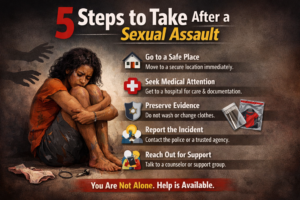
1. Go to a Safe Place
Your safety comes first. Move to a secure location where you can access help, whether a trusted friend’s home, a public place, or a police station. Even if you are in an unfamiliar area, prioritize getting somewhere safe.
“If you are sexually assaulted, you need to leave the environment and move to somewhere secure,” advises social worker Adeife Awonusi.
2. Seek Medical Attention
Medical care is crucial for treating injuries, preventing infections, and documenting evidence. Hospitals can also provide tests if drugs were involved and perform a rape kit examination if necessary.
Dr. Samuel Iyke explains: “Internal injuries or head trauma may need urgent attention. Blood or urine screening might be needed if the survivor was drugged.”
3. Preserve Evidence
Avoid showering or changing clothes immediately, as this can destroy forensic evidence. Keep items such as clothing, bed linen, messages, or any other evidence that may help investigators.
Lawyer Aanuoluwa Omotosho adds: “Preserving evidence increases the chance of obtaining justice.”
4. Report the Incident
It may feel difficult due to stigma, but reporting is essential. Contact trusted authorities, law enforcement, and legal counsel to start the process of justice and help prevent further assaults.
“Don’t keep it to yourself. Providing full details allows people to help and prevents others from being attacked,” Omotosho advises.
5. Reach Out for Support
Survivors often face trauma that lasts long after the assault. Professional counseling, support groups, and NGOs can provide psychological, legal, and forensic assistance. Agencies like Mirabel, WARIF, and DSVA are dedicated to helping survivors recover.
Awonusi encourages: “You don’t have to go through it alone. Speak to a counsellor or support organization for guidance and care.”
Sexual assault is a serious violation of human rights, but taking these steps can help protect your health, secure evidence, and empower survivors to seek justice.