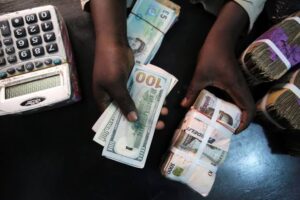
The Nigerian Naira maintained a steady performance against the United States Dollar in early trading on Thursday, April 2, 2026, signaling continued stability at the start of the second quarter.
At the official market, the currency traded around ₦1,382.45 to the Dollar, reflecting only minor fluctuations compared to previous sessions. This follows a modest gain recorded earlier in the week, reinforcing confidence in the foreign exchange market.
Stable Trend Across Markets
At the Nigerian Foreign Exchange Market (NFEM), trading activity remained relatively calm, with the Naira showing limited volatility.
A similar pattern was observed in the parallel market, where the Dollar exchanged between ₦1,410 and ₦1,415 across major cities. This indicates a slight strengthening of the Naira compared to the previous day, while the gap between official and black market rates remained within a manageable range.
What’s Supporting the Naira?
Analysts point to improved liquidity as a key factor behind the currency’s stability. Ongoing reforms and policy measures by the Central Bank of Nigeria have helped boost foreign exchange inflows, particularly from remittances and investors.
The introduction of more transparent trading systems has also reduced volatility, while the country’s monetary policy stance—anchored by high interest rates—continues to attract foreign portfolio investments.
Although Nigeria’s external reserves have experienced slight pressure due to debt obligations and currency support efforts, they remain strong enough to sustain current interventions.
Outlook for the Market
Looking ahead, experts expect the Naira to trade within a relatively narrow range in the coming days, provided liquidity levels remain stable.
Market watchers are also keeping a close eye on global oil prices, which remain a critical source of foreign exchange earnings for Nigeria and a major factor influencing the strength of the local currency.