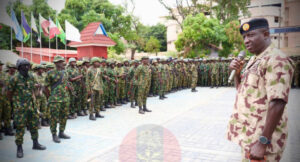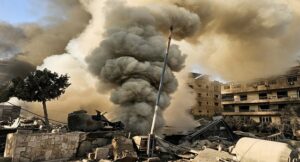
Tensions in the Middle East have escalated further this week as Iran’s Revolutionary Guard Corps (IRGC) issued warnings to civilians across the region to stay clear of areas near US military forces, even as President Donald Trump described diplomatic talks with Tehran as progressing positively.
The alert from the IRGC came after Trump extended a deadline requiring Iran to reopen the strategically vital Strait of Hormuz or risk the destruction of its energy infrastructure. The ultimatum originally set for a recent Friday was pushed back to April 6, signaling ongoing negotiation efforts.
Strait of Hormuz at the Center of Crisis
The Strait of Hormuz a key maritime route for global oil and gas shipments has been a flashpoint in the conflict since Iran began restricting passage following military strikes by the United States and Israel. The waterway’s partial closure has disrupted global energy traffic and posed major challenges for international markets.
While Trump has publicly stated that talks with Iranian representatives are “going well,” actual diplomatic breakthroughs appear limited. Iran continues to maintain control over the strait and has kept up retaliatory actions across the region, contributing to ongoing instability.
Warnings and Escalation
In issuing its warning, Iran’s military urged civilians to avoid areas near Western forces to reduce the risk of harm, a move that underscores the heightened fear of broader conflict. Separate reports indicate that Iran has threatened attacks on facilities linked to US troops and has reinforced its stance that the strait remains closed to shipping bound for “enemy ports.
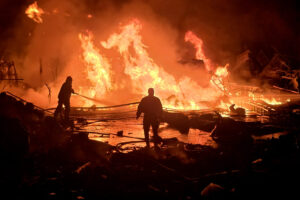
The conflict has had tangible effects: shipping disruptions through Hormuz have reverberated in global markets, pushing energy prices higher and stoking fears of a prolonged crisis. Meanwhile, some world leaders are pushing for diplomatic engagement to prevent further escalation.
Public Reaction and International Pressure
With war‑related violence ongoing, civilians in Iran and neighboring countries have expressed growing fear and uncertainty. Many analysts argue that balancing military pressure with diplomacy will be crucial in preventing the conflict from widening.
As of now, both sides remain far apart on key issues, and while negotiations continue, the situation on the ground remains volatile.