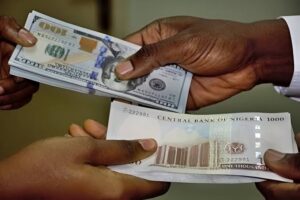
The Nigerian naira began the new month and second quarter of 2026 on a relatively stable footing against the United States dollar, with the official exchange rate opening around ₦1,385 per $1 on Wednesday, April 1. This steadiness reflects continued confidence in the foreign exchange market as liquidity conditions remain manageable.
At the Nigerian Foreign Exchange Market (NFEM), the local currency showed only mild fluctuations during early trading, suggesting a balanced environment despite broader economic headwinds. Analysts and market participants largely attribute this calm to improved market mechanisms and ongoing efforts by the Central Bank of Nigeria (CBN) to ensure smoother price discovery.
Official and Parallel Markets Move Closely
While the official rate hovered around ₦1,385 per dollar, the parallel (black) market also maintained a steady pattern. Currency dealers in major cities such as Lagos, Abuja, and Kano quoted the dollar roughly between ₦1,405 and ₦1,418, showing only a moderate gap between the two market segments.
Observers note that the narrow spread between official and parallel rates points to reduced speculative pressure and smoother integration of Bureau De Change (BDC) operators into official foreign exchange channels. This convergence is seen as a positive development following several months of volatility.
What Is Driving the Stability?
Several key factors are shaping the current exchange rate picture:
- Steady liquidity: As the new quarter begins, corporate foreign exchange demands have been met without sudden pressure, reflecting ample liquidity in the system.
- External reserves buffer: Nigeria’s foreign reserves remain solid, providing a cushion for the CBN to manage daily market operations.
- Oil revenue inflows: Continued earnings from crude oil exports, particularly Bonny Light crude, support foreign exchange supply and help meet demand amid imported goods needs.
Outlook for Traders and Investors
Market watchers expect the naira to trade within a ₦1,380 to ₦1,420 range in the first week of April as demand patterns settle and businesses resume budget cycles for the quarter. Attention remains on upcoming monetary policy decisions from the CBN, especially around interest rates and banking sector strengthening measures.