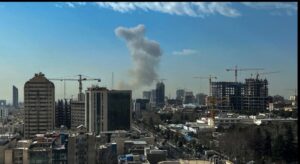
The United States has announced plans to increase missile production as tensions in the Middle East persist, while Iran has reportedly rejected a U.S.-backed peace proposal, insisting it will determine the terms of any ceasefire.
The U.S. Department of Defense has confirmed multiple agreements with major defence contractors to ramp up the production of missiles and critical components, following concerns over declining stockpiles due to ongoing military operations in the region.
According to the Pentagon, companies including Lockheed Martin and BAE Systems have agreed to significantly increase production of “seeker heads,” a key component used in the Terminal High Altitude Area Defense (THAAD) system. The system has been widely deployed to intercept missile threats during the conflict.
The agreement is expected to increase production capacity by up to four times, as the U.S. and its allies continue to rely heavily on missile defence systems. The Department of Defense described the move as placing the defence industry on a “wartime footing.”
In addition, the Pentagon announced a separate agreement with Lockheed Martin to accelerate the production of Precision Strike Missiles (PrSM), which are tactical ballistic missiles recently deployed in the conflict. The move builds on an earlier multi-billion-dollar contract awarded by the U.S. Army.
Another deal involves Honeywell aerospace , which will increase the supply of critical navigation systems and other components essential to maintaining U.S. military capabilities.
Iran Rejects Peace Proposal
Meanwhile, Iranian state-linked media reported that Tehran has rejected a peace proposal put forward by the United States through diplomatic channels. According to an unnamed senior official cited by Press TV, Iran responded negatively to the proposal, stating that it would determine the timing and conditions for ending the conflict.
The official reportedly said the war would end based on Iran’s decision, not external expectations. However, there has been no formal or official statement from Iranian authorities confirming this position.
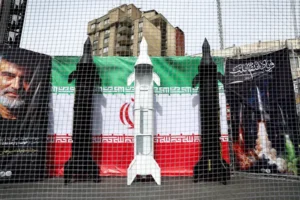
Iran’s Foreign Minister, Abbas Araghchi, who previously led diplomatic talks with the United States, has not publicly commented on the reported proposal.
Conditions for Ceasefire
Reports indicate that Iran has outlined its own conditions for ending hostilities. These reportedly include an end to attacks on its territory and leadership, guarantees against future military action by the United States and its allies, and compensation for damages caused during the conflict.
Additional demands are said to include a halt to hostilities across the region, including those involving allied groups, and recognition of Iran’s sovereignty over strategic areas such as the Strait of Hormuz—a key global oil route.
Ongoing Diplomatic Efforts
Efforts to mediate the conflict are ongoing, with countries such as Pakistan reportedly acting as intermediaries. Officials indicated that a multi-point proposal containing U.S. suggestions was recently communicated to Iran as part of backchannel diplomacy.
However, with both sides maintaining firm positions, the situation remains uncertain as military operations and diplomatic efforts continue simultaneously.