
As petrol prices continue to rise, many electric vehicle (EV) owners may feel a sense of relief, while drivers of traditional combustion-engine cars are beginning to reconsider their options.
With global tensions—such as the ongoing situation involving Iran—affecting oil prices, the case for switching to electric vehicles appears stronger than ever. However, deciding whether an EV is right for you depends on several factors, including your location, access to charging, and daily driving habits.
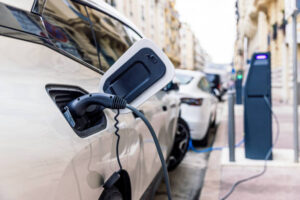
While EVs are still generally more expensive upfront, data from Cox Automotive shows that prices are gradually declining, though they still average about $6,500 more than petrol-powered vehicles. Financially, EVs tend to make the most sense for people who can save significantly on fuel and maintenance over time.
Beyond cost, there are less tangible benefits too—like reduced dependence on fluctuating fuel prices. As Jessica Caldwell of Edmunds noted, more people are looking to escape the “gas-price roller coaster,” with interest in EVs steadily rising.
What to know before buying an electric vehicle
1. EVs are becoming more affordable

Although some tax incentives have been reduced, certain regions still offer rebates and financial support for EV buyers. Additionally, the used EV market is growing rapidly.
Models like the Tesla Model 3, Ford Mustang Mach-E, and Hyundai Ioniq 5 are now available at prices comparable to popular petrol SUVs such as the Toyota RAV4 and Honda CR-V. In many cases, used EVs are newer and have lower mileage.
2. More models are entering the market
Despite some production slowdowns by companies like Honda and Ford Motor Company, the variety of EVs continues to expand.
Brands such as Lexus are rolling out new models, while companies like Rivian and Lucid Motors are working on more affordable options.
Meanwhile, established models like the Nissan Leaf and Chevrolet Bolt remain among the more budget-friendly choices, with prices starting below $30,000 in some markets.
3. Charging can be cheaper—but depends on your setup
One of the biggest advantages of EVs is lower “fuel” costs—especially if you can charge at home.
Installing a home charger (typically costing around $1,000 or more) allows you to charge overnight at a much lower cost than petrol. Some utility companies even offer discounted electricity rates during off-peak hours.
Public fast chargers are convenient but can sometimes be more expensive per mile than petrol, especially on long trips.
4. Lower maintenance costs
Electric vehicles generally require less maintenance than traditional cars. They don’t need oil changes and have fewer moving parts, meaning fewer things can go wrong.
Brake systems also last longer due to regenerative braking. However, EVs are heavier, which may lead to faster tire wear in some cases.
Although earlier EV models faced reliability concerns, improvements in technology and manufacturing have made newer models more dependable.
Final thoughts
Switching to an electric vehicle is not just a financial decision—it’s also about lifestyle, convenience, and long-term outlook.
For those who can charge at home and drive regularly, EVs can offer significant savings and peace of mind. But for others—especially without reliable charging access—the transition may require more careful consideration.
Ultimately, the decision comes down to what works best for your needs, budget, and daily routine.