Tensions in the Middle East have escalated sharply after Donald Trump ordered the United States Navy to begin a blockade of the Strait of Hormuz, following the collapse of peace talks with Iran.
The move comes amid growing frustration in Washington over Tehran’s refusal to halt its nuclear ambitions, despite ongoing diplomatic efforts.
US Announces Blockade
In a strongly worded statement shared on his social media platform, Trump declared that the US would begin blocking ships entering or leaving the critical waterway.
“Effective immediately, the United States Navy… will begin the process of blockading any and all ships trying to enter or leave the Strait of Hormuz,” he said.
He also warned of severe consequences for any Iranian aggression, stating that any attack on US forces or vessels would be met with force.
Iran Fires Back
In response, Iran’s Revolutionary Guards issued a stern warning, claiming they already have control over traffic in the strategic route and would respond aggressively to any interference.
They warned that any enemy attempting to challenge them could be trapped in what they described as a “deadly vortex” in the strait.
Why the Strait Matters
The Strait of Hormuz is one of the world’s most important shipping lanes, serving as a key route for global oil, gas, and other exports from the Gulf region.
Any disruption in the area could significantly impact global energy prices and international trade.
Talks Collapse, Tensions Rise
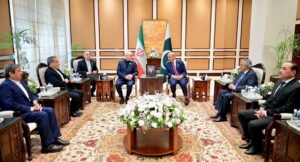
The latest escalation follows failed negotiations between US and Iranian officials in Islamabad, which aimed to end weeks of conflict.
Key US figures, including JD Vance and envoy Steve Witkoff, were involved in the talks, but no agreement was reached.
Iran maintained its position on continuing its nuclear program, which it insists is for peaceful purposes, while the US remains strongly opposed.
Global Reactions and Concerns
World leaders have expressed concern over the rising tensions, urging both sides to return to diplomacy and maintain a ceasefire.
There are growing fears that renewed conflict could:
- Disrupt global oil supply
- Increase energy prices worldwide
- Escalate into a broader regional conflict
As the situation unfolds, the international community is closely watching developments, with many hoping for a diplomatic resolution to avoid further escalation.