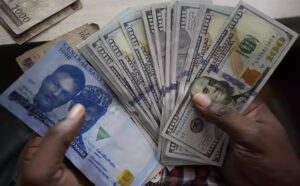
The Nigerian naira traded at approximately ₦1,369 to the US dollar in the official foreign exchange market on Wednesday, June 24, 2026, maintaining its recent stability despite continued demand pressures in the currency market.
Data from the Nigerian Foreign Exchange Market (NFEM) showed the local currency trading within a relatively narrow range, a trend that has characterized the market in recent weeks and reflects a period of relative calm in the official segment.
Black Market Rate Remains Slightly Higher
In the parallel market, popularly known as the black market, the US dollar exchanged for between ₦1,400 and ₦1,408, depending on location and transaction size.
The difference between the official and parallel market rates remained below ₦40, underscoring a significant narrowing of the exchange-rate gap compared to the much wider disparities seen in previous years.
At the prevailing rates, $100 would be worth approximately ₦136,900 in the official market and between ₦140,000 and ₦140,800 in the parallel market.
Analysts Point to Improved Liquidity
Financial analysts have linked the relative stability of the naira and the reduced gap between official and unofficial exchange rates to improved foreign exchange liquidity and the impact of ongoing monetary and foreign exchange reforms.
According to market observers, the value of the naira continues to be influenced by several key factors, including foreign exchange supply and demand dynamics, capital inflows, investor confidence, and overall market expectations.
Exchange Rates May Vary
Despite the current stability, experts note that exchange rates can still vary slightly across commercial banks, bureaux de change, and parallel market operators, depending on factors such as transaction volume, availability of foreign currency, and location.
Market participants are expected to continue monitoring developments in the foreign exchange market, as well as policy decisions from monetary authorities, for signals on the future direction of the naira.
As of Wednesday’s trading session, the local currency remained largely stable, providing some reassurance to businesses and individuals navigating Nigeria’s evolving foreign exchange landscape.