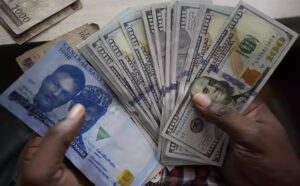
The Nigerian naira maintained a relatively stable position against the United States dollar on Friday, June 19, 2026, as it traded around ₦1,360/$ at the official foreign exchange market, while rates at the parallel market hovered between ₦1,390 and ₦1,400 per dollar.
According to data from the Central Bank of Nigeria’s Nigerian Foreign Exchange Market (NFEM), the local currency continued its recent streak of stability at the official window, reflecting improved confidence in the country’s foreign exchange market.
Trading figures showed that the official exchange rate fluctuated within a narrow range of ₦1,357 to ₦1,364 per dollar during the day’s trading session.
Financial analysts attributed the naira’s resilience to ongoing foreign exchange reforms, increased market transparency, and a steady supply of dollars from authorised dealers. These factors have helped support the currency despite fluctuations in global financial markets.
In recent weeks, the official exchange rate has largely remained within the ₦1,360 range, signaling a period of relative calm compared to the volatility experienced in previous years.
Meanwhile, at the parallel market—commonly referred to as the black market—the dollar exchanged between ₦1,390 and ₦1,400, depending on location and dealer quotations.
The difference between the official and parallel market rates remained relatively narrow, a development many market observers view as a positive sign for exchange rate convergence and overall market stability.
Recent trading records showed the NFEM rate moving within the ₦1,360 to ₦1,373 range, while Bureau de Change operators and parallel market traders continued to quote rates largely between ₦1,390 and ₦1,400 per dollar.
Based on the prevailing exchange rates, $100 was valued at approximately ₦136,000 at the official market and between ₦139,000 and ₦140,000 at the parallel market.
Market participants say investors, businesses, and currency traders are closely watching key economic indicators, including export earnings, diaspora remittances, and foreign portfolio investments, all of which are expected to play a significant role in shaping the naira’s performance in the coming weeks.
As Nigeria continues its efforts to strengthen foreign exchange liquidity and attract investment inflows, stakeholders remain cautiously optimistic about the currency’s outlook in the second half of the year.